


Wallaby
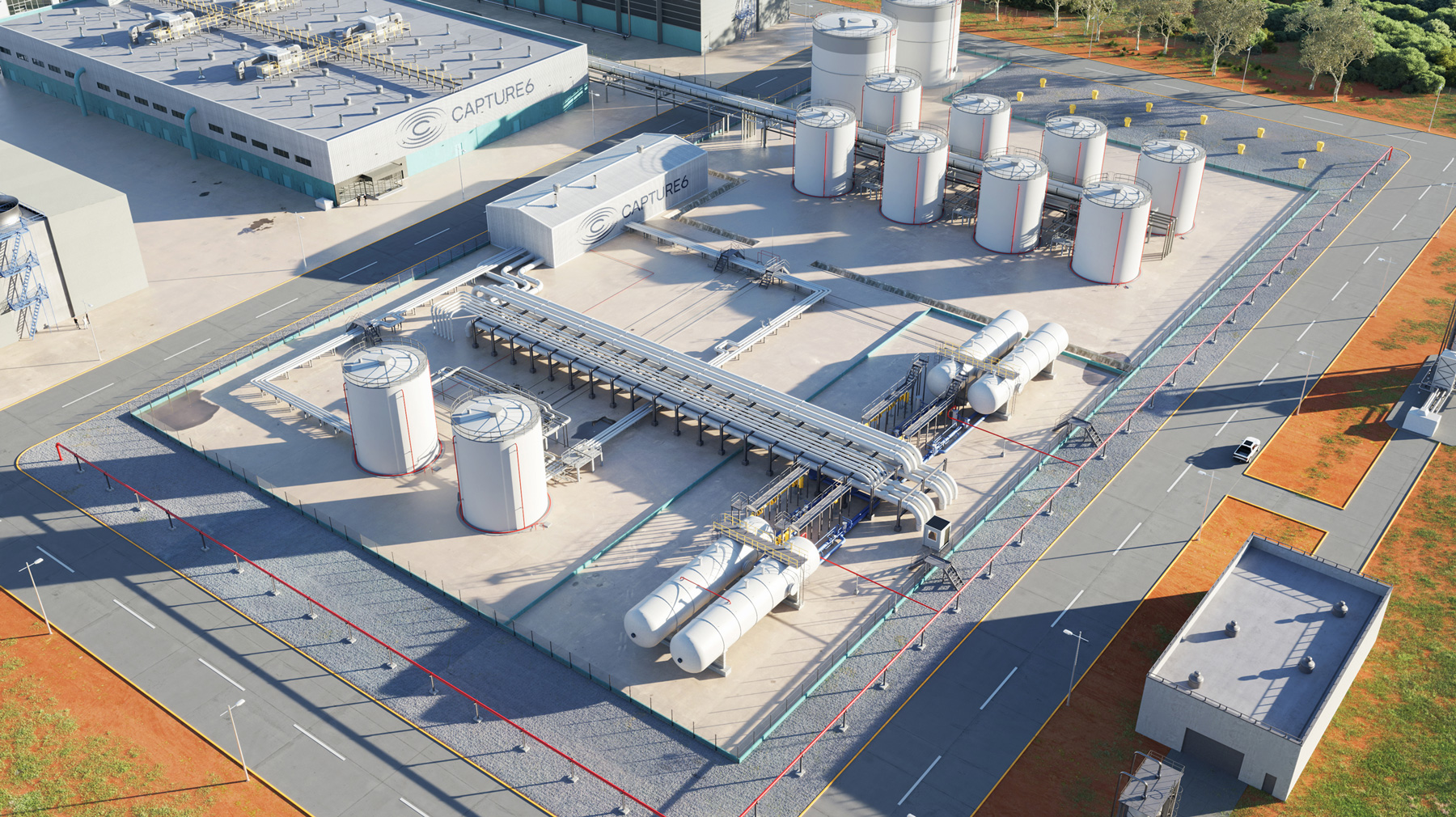
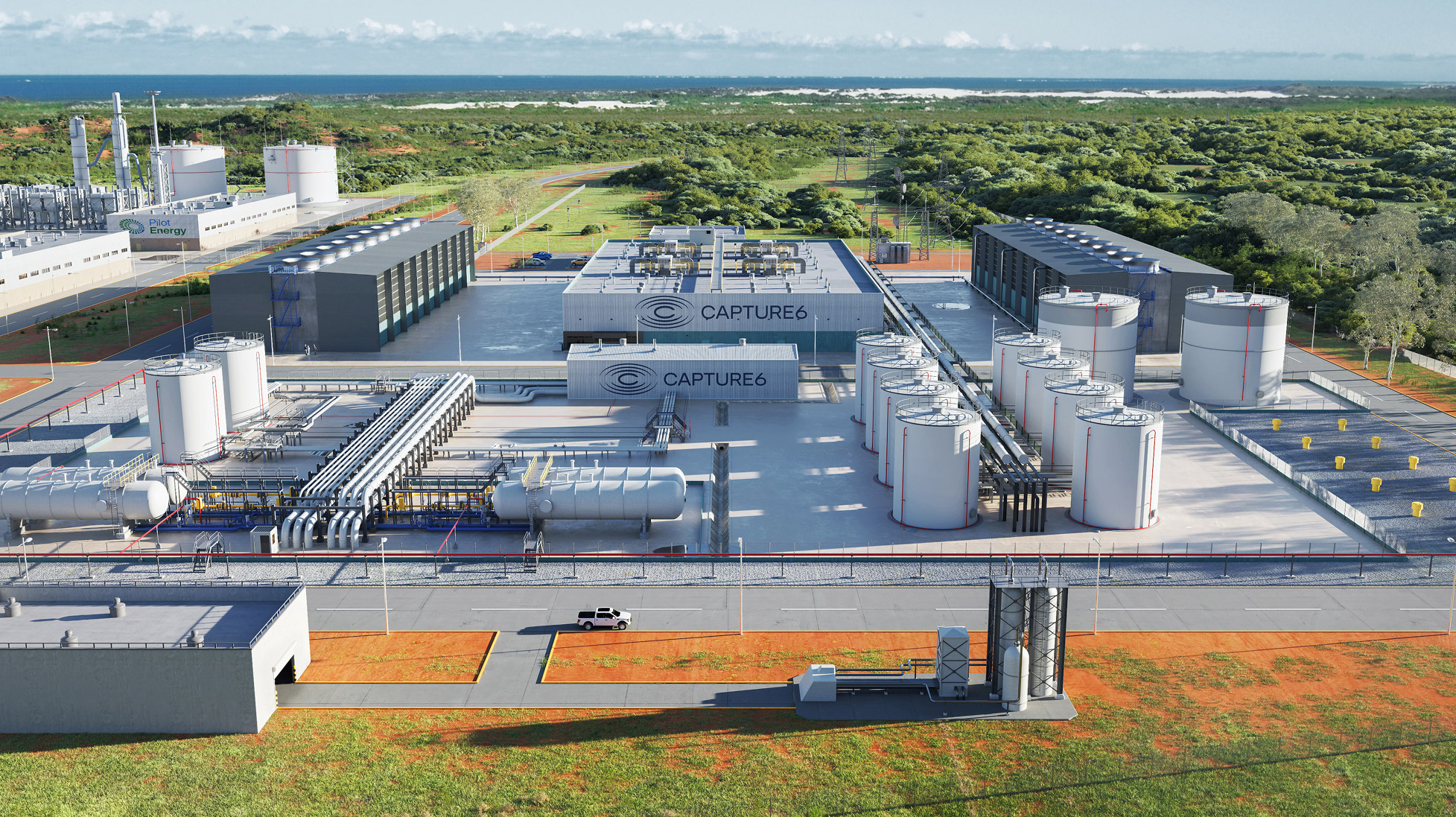
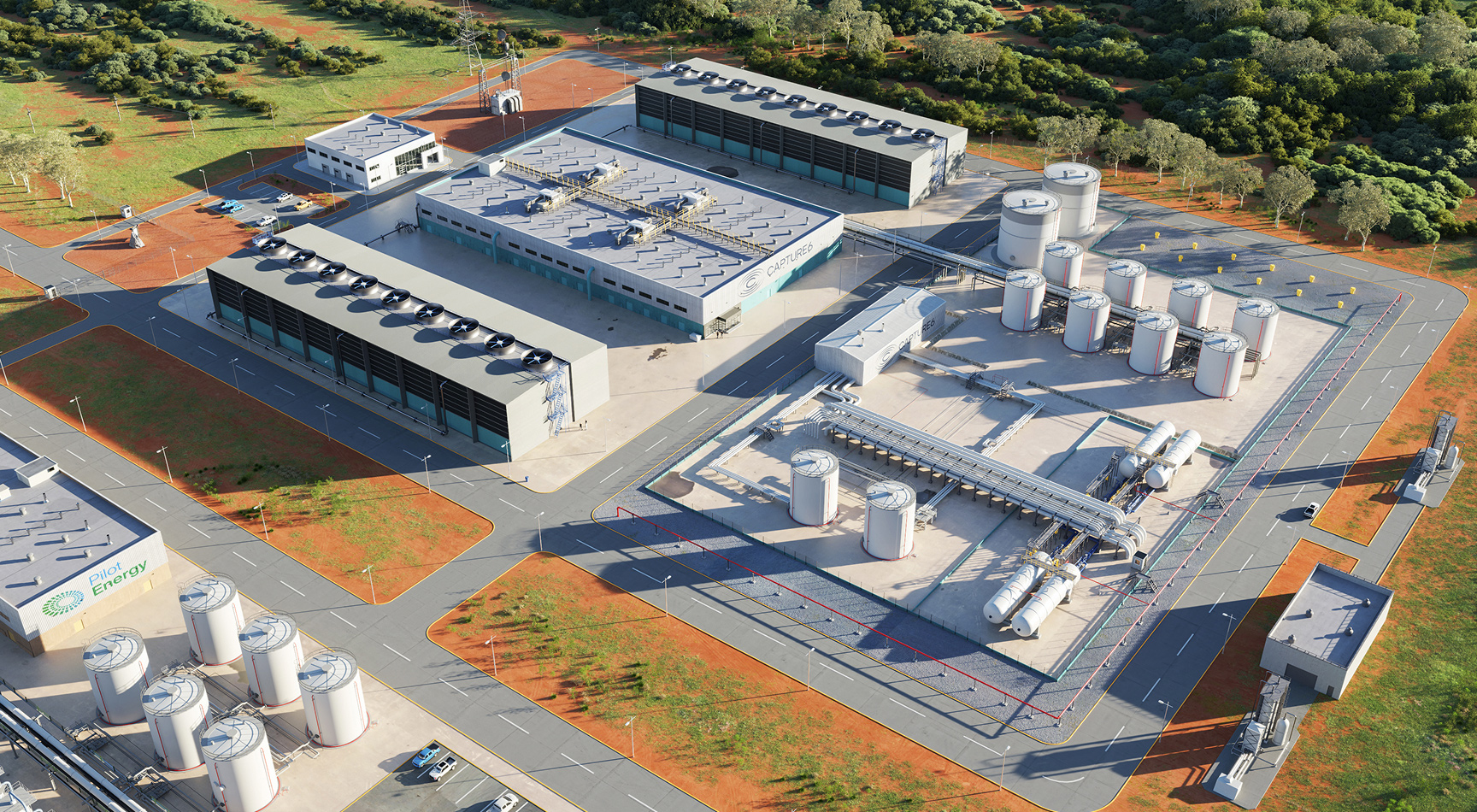
Green transition partners enable Project Wallaby to thrive in water stressed Western Australia.
The problem: Western Australia faces water scarcity, costly brine disposal, and rising demand for durable carbon removal. Traditional infrastructure tackles these challenges separately, missing the chance to create compounding value.
The solution: Transforming produced water from the Midwest Clean Energy Project into a climate-positive engine: delivering fresh water for local communities, permanent CO₂ removal, and green hydrogen for Australia’s clean energy future.
Lead Partner



Location

Western Australia
DAC capacity
Phase 1: Demonstration
Phase 2: 17,000 tpa (+18,000 tpa PSC)
Phase 3: Targeting 350,000+ tpa
Freshwater recovery
Phase 1: Demonstration
Phase 2: 1,500,000 m³ pa
Phase 3: Scale to demand
Featured In


Monarch
Partnering on an expansion of existing infrastructure allows for Capture6’s technology to save project partners operational costs.
The problem: Southern California faces severe water stress, rising brine disposal costs, and urgent climate targets. Palmdale’s new purification facility generates 0.68 MGD of brine waste—traditionally managed with costly, land-intensive evaporation ponds.
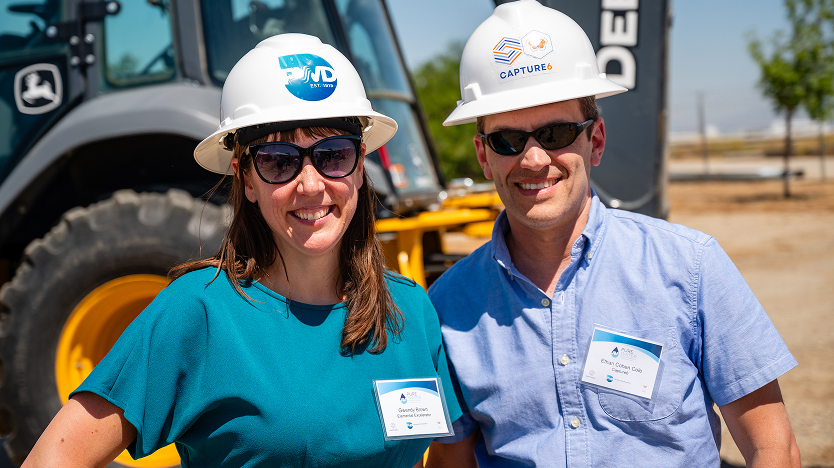
The solution: Project Monarch turns that waste stream into value. By integrating Capture6’s carbon removal technology, the facility converts brine into clean water, captures CO₂, and produces green chemicals—advancing water resilience and durable climate impact.
View Earthcam
Lead Partners





Location
Southern California
DAC capacity
Phase 1: Demonstration
Phase 2: 25,000 tpa
Freshwater recovery
Phase 1: Demonstration
Phase 2: 400,000 m³ pa
Featured In


FUTURE PROJECTS

Mid-west America
Capture6 is advancing plans for a large-scale decarbonization integration in the Mid-west America region with a major industrial player.
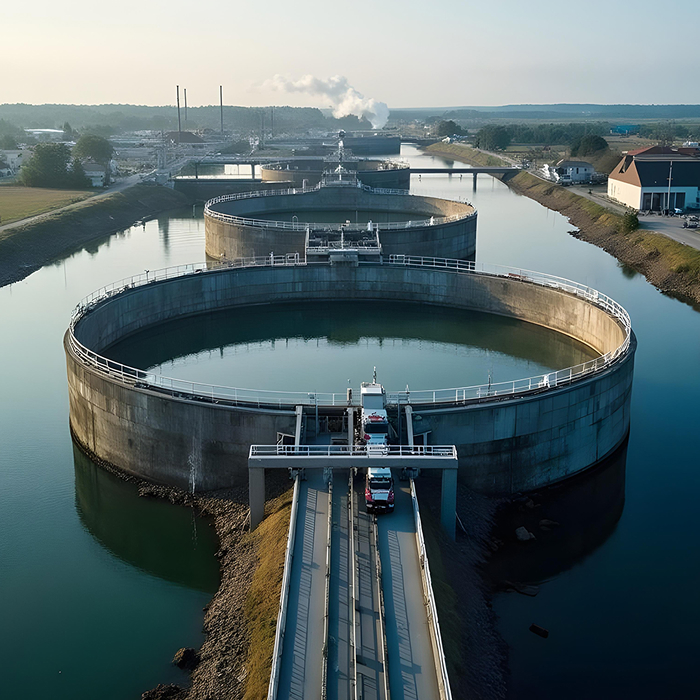
United Arab Emirates
Capture6 is making progress at project sites across the GCC to leverage the region’s 45% tranche of global seawater desalination. The GCC region stands at the forefront of desalination innovation, uniquely positioned to not only advance water sustainability but also emerge as a global leader in carbon removal technologies.

